An SUV used for school runs, highway trips, and weekend towing puts a wide range of parts to work. Some repairs involve normal wear, while others start with a leak, a warning light, or a change in how the vehicle feels.
The following 10 repair areas give owners a practical guide to familiar SUV complaints. The exact job depends on the model, drivetrain, and condition. A heavy body-on-frame SUV and a compact front-wheel-drive crossover don't share every part or maintenance requirement.
1. SUV Brake Pads, Rotors, and Sticking Calipers
Repeated stops, passenger loads, and towing put heat into the brakes. Pads and rotors need measurement, while pulling or uneven wear brings caliper release and hydraulic checks into the inspection. A pad replacement alone won't correct a piston or slide that keeps one brake dragging. Heavy grinding or reduced braking calls for a safe stop and prompt review.
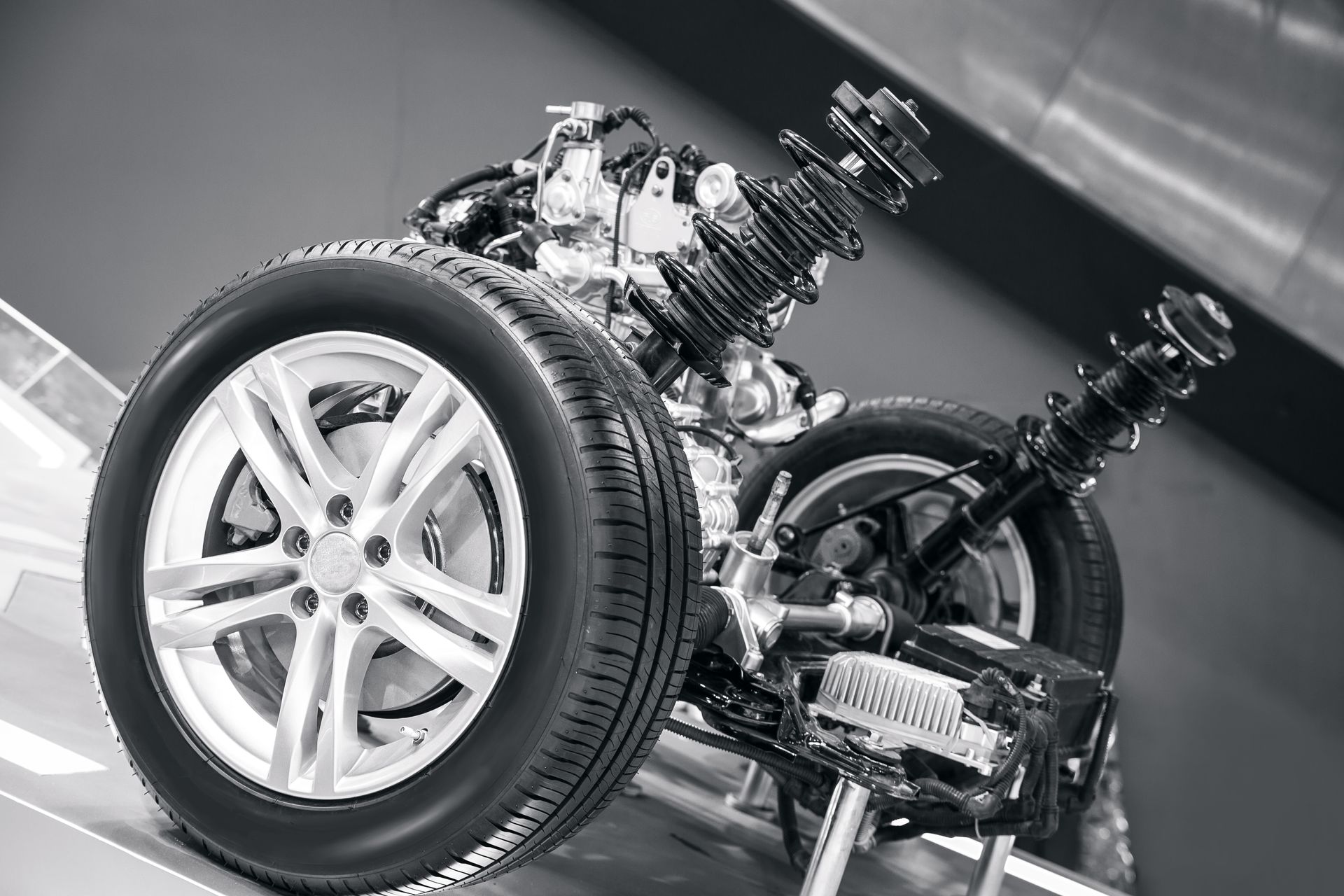
2. Suspension Bushings, Ball Joints, and Struts
A clunk over bumps, extra body movement, or uneven tread often leads to a suspension inspection. Bushings and joints locate the wheels while shocks or struts control movement. Worn parts need identifying before alignment is adjusted. A new tire won't stay healthy if the wheel continues shifting under braking or bouncing over rough pavement.
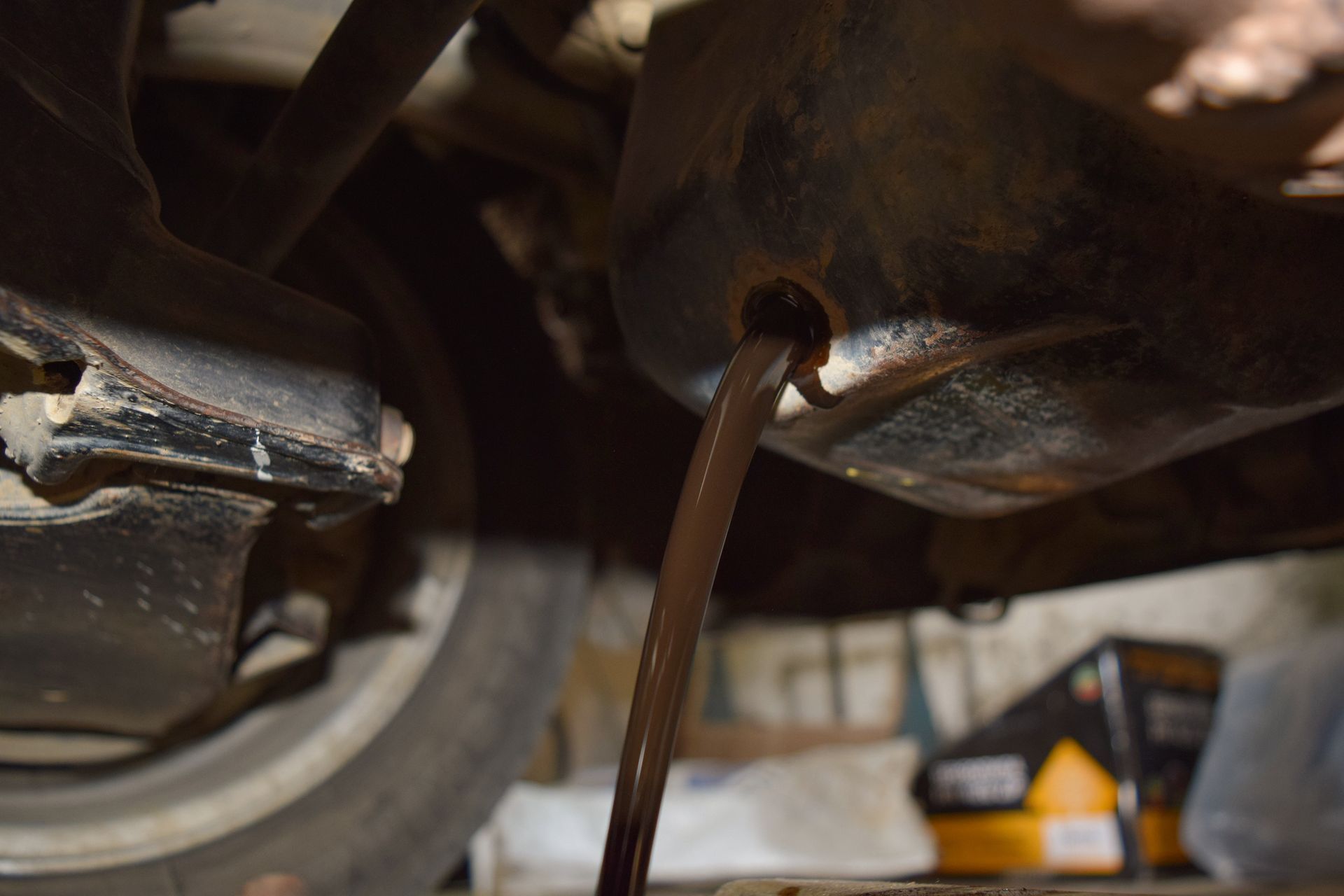
3. Engine Oil Leaks and Repeated Top-Offs
Valve covers, filter housings, pan seals, and other locations vary by engine. Oil may collect on an undertray before a spot reaches the driveway. The inspection traces the source and records the rate of loss. An oil-pressure warning while running requires a safe stop and shutdown, even if the next oil change isn't yet due.
4. Coolant Leaks and Water Pump Repairs
Hoses, radiator joints, reservoir fittings, thermostats, and pumps age through heat cycles. A sweet odor or repeated low level needs its source found before another long trip. Pump design changes the repair, including whether timing or accessory-belt work overlaps. Overheating needs immediate action, and hot pressurized caps should remain closed.
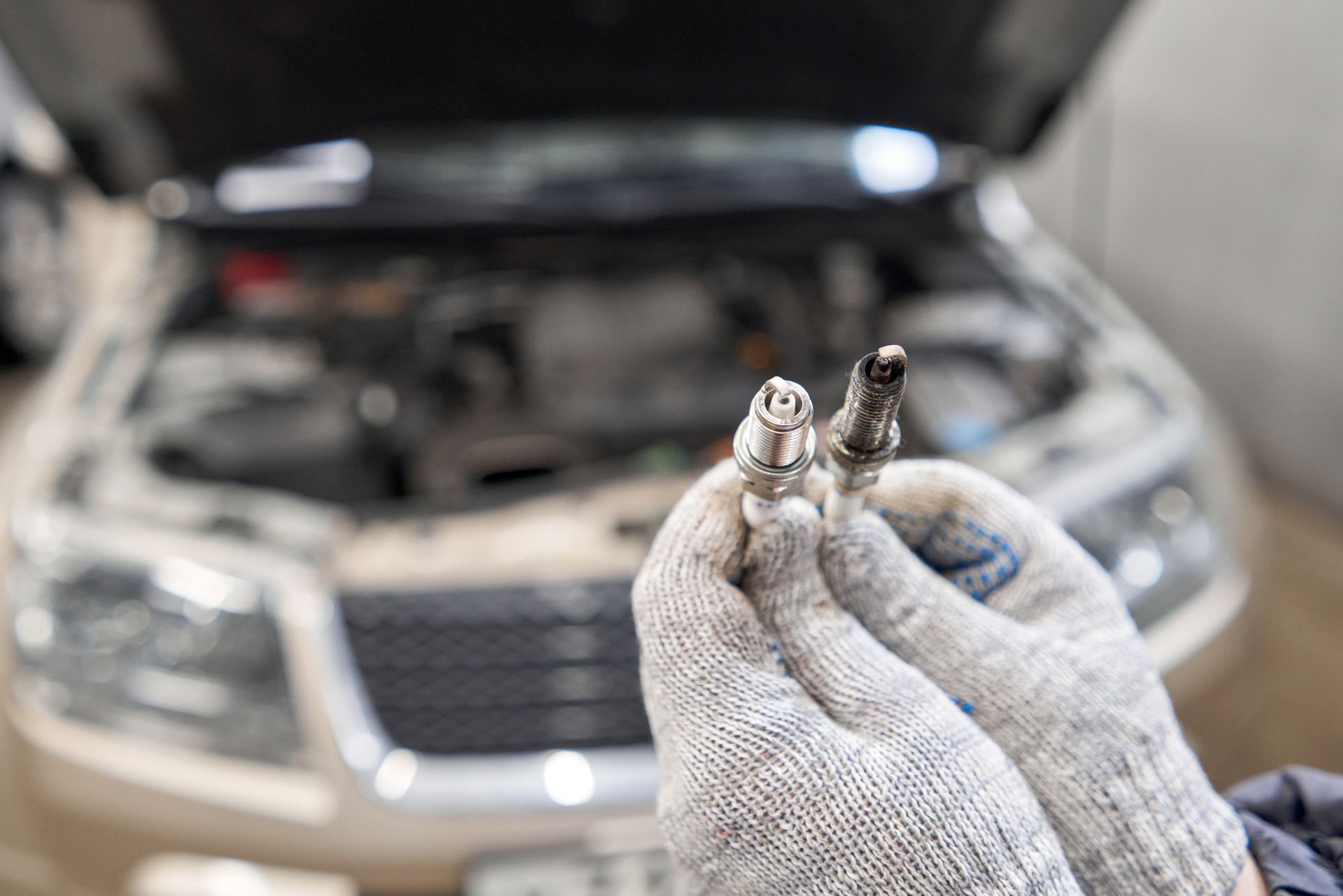
5. Spark Plugs, Ignition Coils, and Engine Misfires
A gasoline SUV that shakes at idle or stumbles during acceleration needs the affected cylinders checked. Worn plugs and weak coils are possibilities, along with injectors, intake leaks, or mechanical sealing. A code helps direct the investigation. A flashing check engine light with rough running means stop safely and arrange assistance to limit catalytic-converter damage.
6. Battery, Starter, and Charging Repairs
Short trips, electrical loads, and battery age can show up as unreliable starting. Slow cranking calls for battery and cable checks, while normal cranking without firing points toward other engine requirements. Replacing a battery won't repair a poor ground connection. Also review charging behavior and electrical use after parking if the replacement keeps going flat.
7. Wheel Bearings and Tire-Related Vibration
A hum that changes with road speed may involve a wheel bearing, but irregular tire wear can sound similar. Vibration also comes from wheel damage, imbalance, tire shape, or brake behavior. The inspection needs to separate those sources. The loudest corner heard inside the cabin isn't always the failed bearing, and balancing won't repair internal tire damage.
8. A/C Leaks and Weak Vent Airflow
Warm air and weak airflow are different complaints. Refrigerant leaks, compressor control issues, cooling-fan trouble, a clogged cabin filter, or blower faults require different repairs. An SUV with rear climate equipment may have additional lines and connections to check.
Repeatedly adding refrigerant without locating a leak leaves the original problem in place.
9. AWD and Four-Wheel-Drive Concerns
Transfer cases, couplings, differentials, and related controls differ widely between SUVs. Binding during turns, a warning, or failure to engage needs the exact drivetrain identified. Tire matching is part of the review where the manufacturer requires it. Fluid service and a control fault aren't the same repair, so the symptom and maintenance history should be considered together.
10. Steering and Alignment Problems
An off-center wheel, pulling, or unstable response needs tire and mechanical checks along with alignment measurements. A curb strike may bend a part without making the damage obvious. Loose joints or torn bushings must be repaired before the final settings. Some vehicles also require steering-angle or driver-assistance procedures after specified work, following the model's instructions.
Plan SUV Repairs Around the Actual Findings
Bring the service history and describe load, towing, and road use when arranging an appointment. A noise that appears only with a full passenger load is different from one heard every morning at startup. Those details help connect the repair recommendation with the conditions you experience.
Routine maintenance and new symptoms should both be reviewed. Some jobs share access and make sense together; other items can be planned for a later visit. The explanation should identify what needs repair now and what remains serviceable, with measurements or test results where they add clarity.
Get SUV Repair in Brunswick, Georgia, With 2EZ Automotive
2EZ Automotive in Brunswick, Georgia, can review SUV warning lights, leaks, noises, and changes in handling. Bring previous repair records and explain the conditions that produce the complaint.
Call us to schedule SUV testing, maintenance, or repair.