What Happens If You Keep Delaying an Oil Change for Too Long?
June 30, 2026
An overdue oil change can feel easy to ignore because the car may not act strangely right away. It starts, drives, idles, and gets you where you need to go. That makes the delay seem harmless, at least for a while.
The problem is that engine oil wears out quietly. It does not need to fail all at once to cause damage. As miles and time add up, oil loses its ability to protect internal parts, carry heat, control deposits, and keep contamination from circulating through the engine. Delaying oil service once is one thing. Keep doing it, and the engine starts paying for it.
Oil Gets Dirty And Less Effective
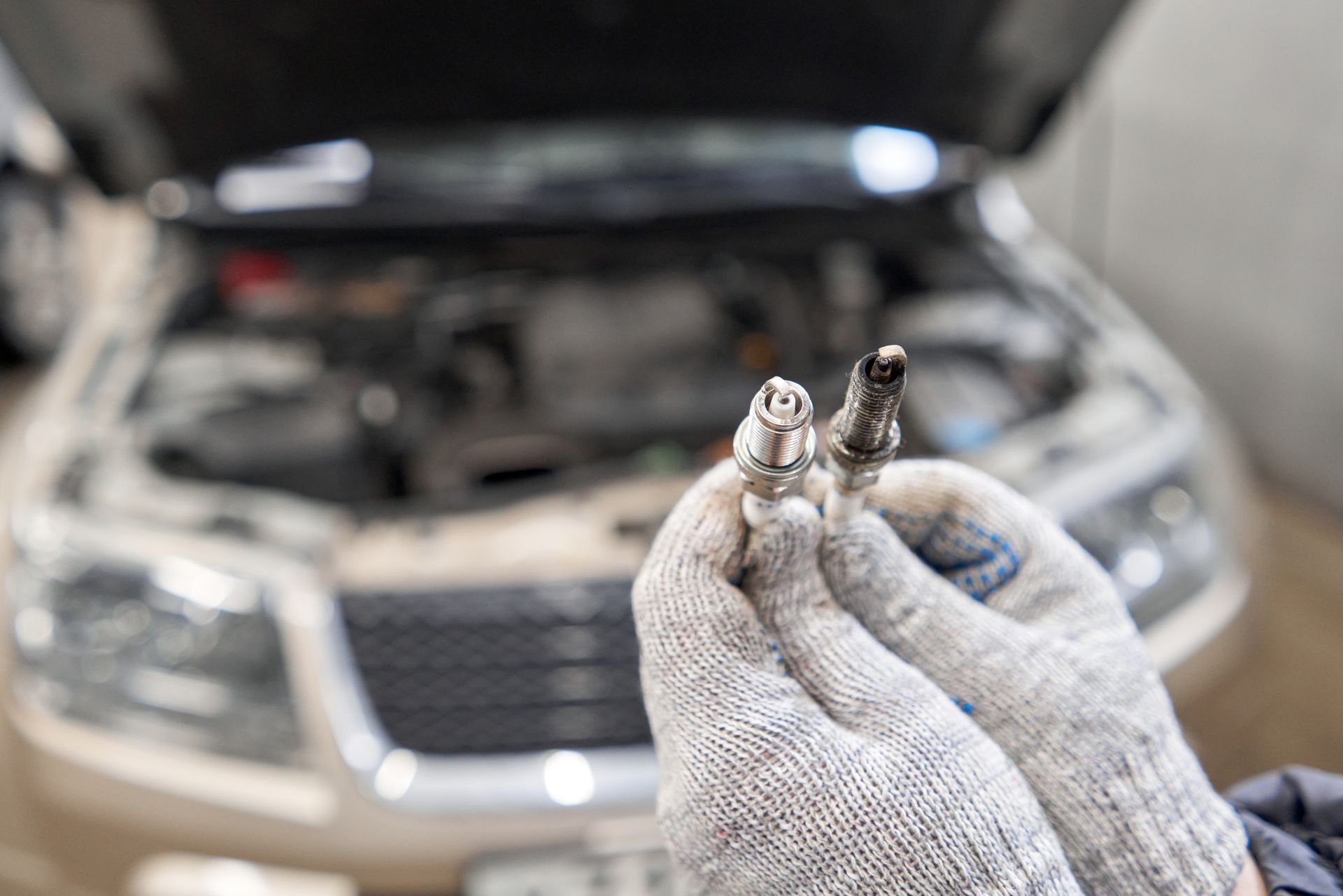
Engine oil collects contamination every time the engine runs. Tiny metal particles, fuel residue, moisture, soot, and dirt can all end up in the oil. The oil filter catches some of that material, but it has a service life too.
As oil gets older, the additives that help protect the engine begin to wear out. The oil may still be in the engine, but it is not doing the same job it did when it was fresh. It can become thicker, darker, and less able to flow quickly through small passages.
That matters most during startup and hot driving. At startup, oil needs to move quickly. During hot operation, it needs to stay stable. Old oil struggles with both.
The Engine Runs With More Friction
Inside the engine, metal parts move quickly and come into close contact. Bearings, camshafts, timing chains, pistons, valve train parts, and crankshaft surfaces all rely on a thin film of oil to reduce friction. When oil breaks down, that film becomes less dependable.
More friction creates more heat. More heat speeds up oil breakdown even further. Over time, this cycle can wear internal parts faster than normal. The driver may not notice the wear immediately, but the engine is slowly losing its protection.
Some engines will start to sound louder when the oil is overdue. You may hear ticking at startup, a rougher idle, or a slightly harsher sound under acceleration. Those noises should not be ignored, especially if the oil level is low or the service interval has been pushed too far.
Sludge Can Start Building Inside The Engine
Sludge is one of the biggest risks of repeated late oil changes. It forms when old oil, moisture, heat, fuel residue, and contamination turn into thick deposits. Instead of flowing cleanly, oil starts leaving sticky buildup inside the engine.
Sludge can collect around the valve train, inside oil passages, near screens, and in areas where oil needs to drain back to the pan. Once those passages become restricted, clean oil cannot reach parts as easily. That can lead to low oil pressure, timing problems, overheating inside the engine, and expensive repairs.
A single oil change may not remove heavy sludge. In fact, neglected engines sometimes need careful evaluation before any cleaning approach is considered. Preventing sludge with regular maintenance is much easier than dealing with it after damage has occurred.
Low Oil Makes Everything Worse
Oil does not only get old. It can also get low. Some engines burn oil between services. Others leak from gaskets, seals, valve covers, oil pans, drain plugs, or oil filter housings. If you delay service and never check the level, the engine may be running with less oil than it needs.
Low oil can cause pressure problems, increased heat, and faster wear. The oil pressure light is not an early warning; you should wait for it. If that light comes on while driving, the engine may already be in a risky condition.
Warning signs that oil service should not wait include:
- Oil level below the safe mark
- Burning oil smell
- Oil spots under the vehicle
- Ticking noise at startup
- Oil pressure warning light
- Maintenance reminder is staying on
- Blue smoke from the exhaust
- Oil that looks thick or gritty
These signs do not always mean the engine is ruined. They do mean it needs an inspection before more driving adds risk.
Modern Engine Systems Can Be Affected
Many modern engines use oil pressure for more than basic lubrication. Variable valve timing systems, timing chain tensioners, turbochargers on equipped vehicles, and other internal components can all depend on clean oil and proper pressure.
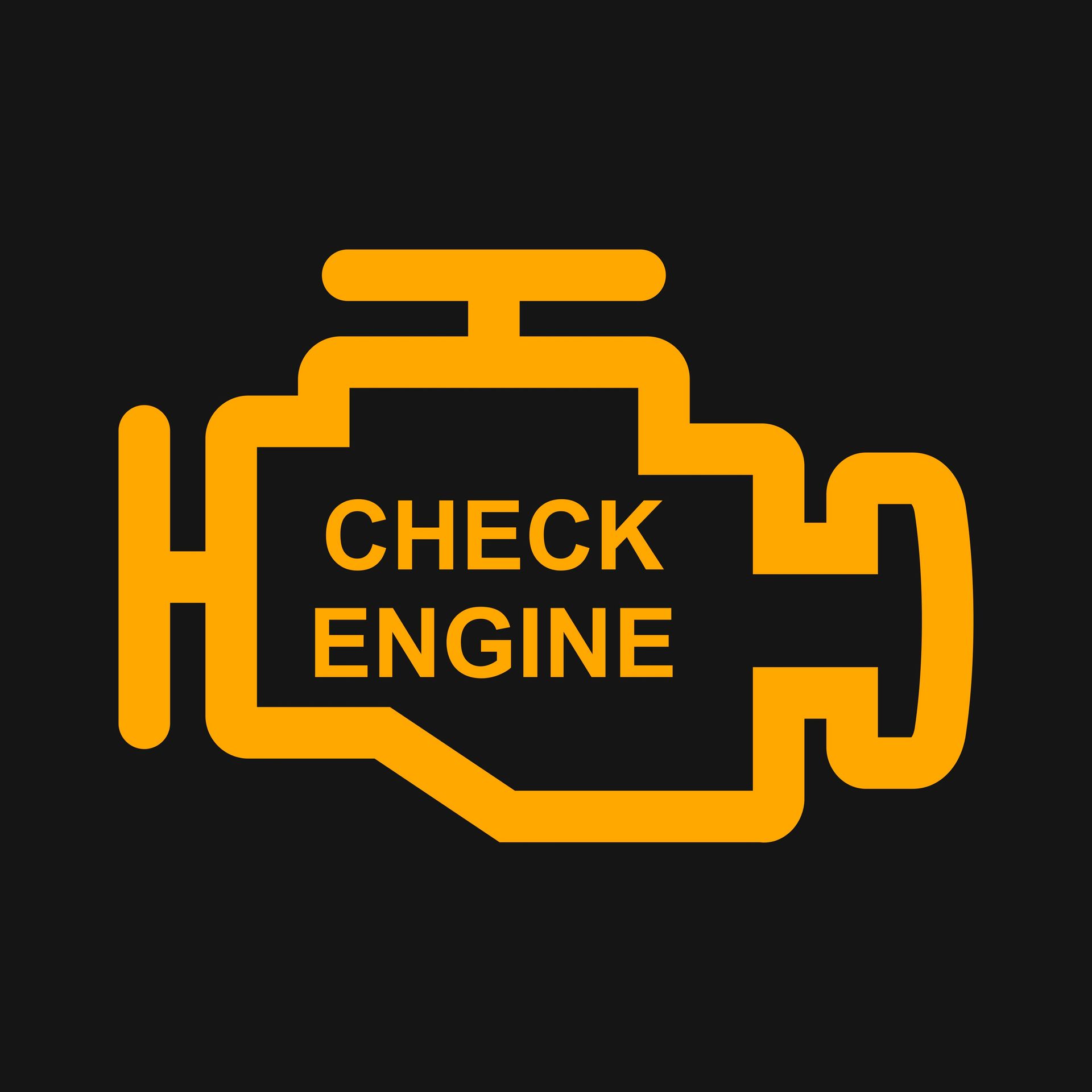
Old or dirty oil can make those systems respond poorly. The vehicle may idle roughly, feel sluggish, set timing-related codes, or turn on the check engine light. A turbocharged engine can be especially sensitive because the turbo spins at a very high speed and needs clean oil for cooling and protection.
Skipping oil changes not only affects engine life in the long term. It can also create drivability problems that show up sooner.
The Oil Filter Can Become Overloaded
The oil filter is designed to trap debris while allowing oil to flow. If the oil change is delayed too long, the filter has to keep working past its intended interval. Eventually, it can become restricted or less effective.
Some filters have a bypass valve that allows oil to keep moving if the restriction becomes too high. That may prevent immediate oil starvation, but it can also allow unfiltered oil to circulate. Fresh oil and a new filter belong together because the filter is part of the engine’s protection, not an optional extra.
Delays Can Shorten Engine Life
The damage from late oil changes usually builds slowly. That is what makes it dangerous. The engine may seem fine while extra wear is happening inside. By the time symptoms become obvious, the repair may involve timing components, gaskets, oil pressure concerns, sludge cleanup, or internal engine damage.
Oil changes are much cheaper than engine repair. Staying on schedule helps protect the parts you cannot see and keeps small problems from becoming expensive ones.
Get Oil Change Service In Brunswick, GA, With 2EZ Automotive
If your vehicle is overdue for oil service, low on oil, leaking oil, or showing signs of old oil, 2EZ Automotive in Brunswick, GA, can help with the correct oil, filter, level check, and service guidance.
For oil change service that helps protect your engine before delays cause bigger problems,
contact us to schedule an appointment.