Essential Tailgating Tips For Gameday
September 30, 2026
Tailgating is part of the fun of gameday. You load up the car, meet friends in the parking lot, bring plenty of food, and settle in before kickoff. The problem is that a tailgate can turn frustrating fast when the vehicle will not start, the cooler leaks in the cargo area, the parking spot creates trouble, or everyone realizes the headlights have been on for three hours.
At our shop, we think of tailgating as a road trip with extra steps. Your car has to get you to the stadium, carry everything you need, sit for hours in a crowded lot, and then get you home safely afterward. A little planning goes a long way, especially when the day includes heavy traffic, long idling, packed parking areas, and a vehicle full of people and gear.
Here are some practical gameday tips that can help your tailgate stay fun without creating a car problem along the way.
1. Check The Car Before You Load It Up
If you are driving to a stadium or game several towns away, do not wait until the morning of the event to notice a low tire, warning light, or weak battery.
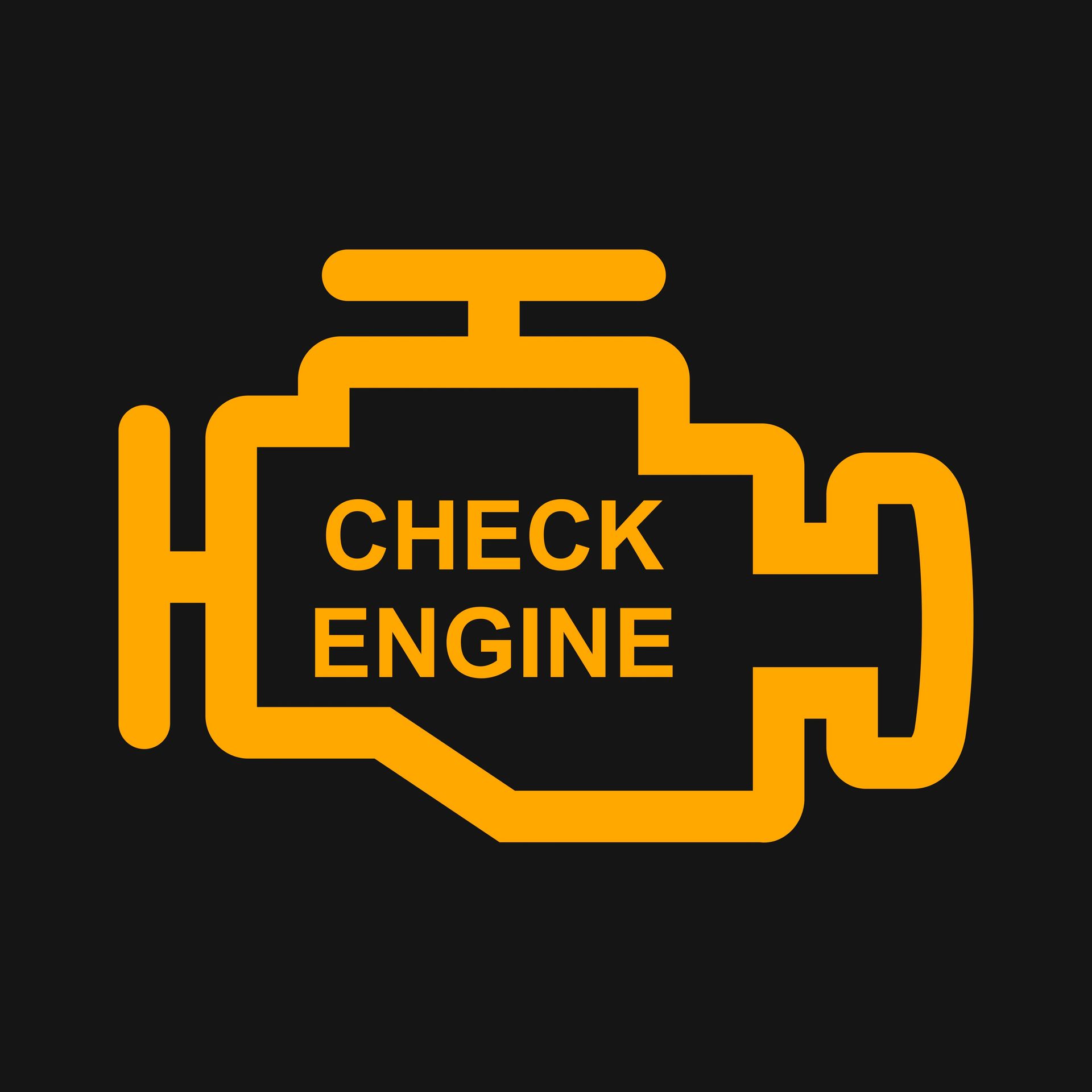
Take a few minutes before gameday to check tire pressure, fluid levels, windshield washer fluid, and fuel. Look under the vehicle for leaks and make sure there are no warning lights on the dashboard that you have been putting off.
A quick inspection is especially useful if you are carrying several passengers, coolers, folding chairs, grills, and other gear. Extra weight can make weak tires, worn suspension parts, and braking issues more noticeable, so it helps to know the vehicle is in good shape before you pack it full.
2. Do Not Arrive With An Almost Empty Tank
It is easy to assume you will just fill up after the game, but gameday traffic can turn a short drive into a long crawl. You may spend more time idling than expected, especially when entering or leaving a stadium parking area.
Start the day with enough fuel to handle the drive, traffic, and a possible detour. If your vehicle has a habit of running low on fuel, gameday is not the best time to test how far the warning light can take you.
A fuller tank also gives you more flexibility if plans change. Maybe the group decides to stop for food afterward or traffic forces you onto a longer route home. Having extra fuel keeps those changes from becoming stressful.
3. Be Careful With The Battery While You Tailgate
One of the easiest ways to ruin the end of a great tailgate is to come back to a dead battery. If you are using the radio, interior lights, power outlets, USB ports, or accessories while the engine is off, remember that all of them draw power. A healthy battery may handle limited use without a problem, but an older or weakened battery can drain faster than you expect.
Avoid leaving headlights, parking lights, or the accessory mode on for hours. If you plan to use the vehicle for music, consider a portable speaker instead. It saves battery power and usually gives you more freedom to move the sound where you want it. If your battery has been slow to start recently or is several years old, have it tested before a big trip.
4. Pack The Vehicle With Weight In Mind
Tailgating gear can add up quickly. Coolers full of ice and drinks are heavy. So are grills, tables, canopies, and several people with bags.
Keep heavier items low and secure them so they cannot slide during braking or cornering. Avoid stacking heavy objects high in the cargo area where they can shift forward during a sudden stop.
Make sure the driver still has a clear view out the rear window and mirrors. Overpacking can create blind spots and make it harder to see pedestrians, cyclists, and vehicles in a crowded lot.
It also helps to keep anything you will need first near the rear of the cargo area. There is nothing fun about unloading half the vehicle just to find the folding table buried at the bottom.
5. Protect The Interior From Coolers And Food
A leaking cooler can create a much bigger mess than people expect. Melted ice, food spills, grease, and drink residue can soak into carpeting and leave odors that are difficult to remove. Use a cargo liner, plastic storage bin, or waterproof mat underneath coolers and food containers. Make sure lids are secured before you start driving.
Keep raw food separated from other items and avoid placing greasy grilling equipment directly on fabric surfaces. A little protection before the drive can save you from cleaning the cargo area for the next several weekends.
6. Think Carefully About Where You Park
The closest spot is not always the best spot for a tailgate. Look for a space where you have enough room to open doors and the hatch safely without blocking traffic. Avoid parking too close to active driving lanes where people will constantly be walking around your setup.
Pay attention to curbs, medians, steep grades, and soft ground. A poorly chosen parking spot can make loading and unloading awkward and may increase the chance of wheel, tire, or bumper damage.
It also helps to note the parking section, row, or nearby landmark before you start tailgating. Large lots look very different after dark when thousands of people are searching for their cars at once.
7. Keep Grills Away From The Vehicle
If grills are allowed in the parking area, keep them well away from the car. Heat can damage paint, plastic trim, tires, and nearby equipment, while smoke and grease can leave residue on the vehicle.
Never place a hot grill inside the trunk or cargo area immediately after cooking. Coals and metal surfaces can remain hot much longer than they appear. Let everything cool completely before packing it away. Use a proper container for ashes and follow the parking lot rules for disposal. Stadium and event policies may have specific restrictions on grill types, propane tanks, open flames, or charcoal use, so check those requirements before leaving.
8. Do Not Use The Car As A Permanent Power Source
Many newer vehicles have household-style outlets, USB ports, or built-in power features, which can be convenient for tailgating. The issue is that using them carelessly can drain the battery or place unnecessary load on the electrical system.
Know whether the vehicle has to be running to safely power accessories. If you are not sure, check the owner’s manual before connecting larger devices.
Avoid plugging in high-draw equipment that the system was not designed to support. Portable power stations are often a better option for speakers, televisions, chargers, and small appliances because they keep the vehicle battery out of the equation.
9. Leave Enough Room For The Drive Home
After the game, stadium lots can turn into one giant traffic jam. Everyone is tired, drivers are impatient, and visibility may be worse than it was when you arrived.
Before you head out, make sure the cargo is packed securely again and nothing is blocking your view. Check that chairs, grills, coolers, and tables are not loose enough to shift around during braking.
Give yourself extra following distance in the traffic leaving the lot. There is no prize for being the first person out of the parking area, and aggressive lane changes usually make the drive home more stressful rather than faster.
10. Check Tire Pressure Before A Long Gameday Trip
A loaded vehicle puts additional demand on the tires. If one tire is already underinflated, the extra weight can create more heat and increase wear. Check pressure before you leave, ideally when the tires are cold. Use the pressure listed by the vehicle manufacturer rather than the maximum number printed on the tire itself.
11. Make Sure Your Brakes Are Ready For Heavy Traffic
Gameday traffic often means a lot of stop and go driving. You may spend miles creeping forward, stopping suddenly, and adjusting speed every few seconds. If your brakes have been squealing, grinding, vibrating, or feeling different lately, get them checked before the trip. Crowded traffic is not where you want to discover that the vehicle takes longer to stop than expected.
12. Plan For A Safe Ride Home
Gameday planning should include the return trip, especially if alcohol is part of the tailgate. Decide who is driving before the event starts or arrange another safe ride option. A designated driver should also get enough rest, stay hydrated, and avoid distractions during the drive home. After hours of noise, crowds, food, and excitement, fatigue can become a real issue even for someone who has not been drinking.
Make Gameday Easier On Yourself And Your Car
A good tailgate should be remembered for the food, the people, and the game, not for a dead battery or a tow truck. If your vehicle is due for maintenance or you want to make sure it is ready for a gameday road trip, bring it to 2EZ Automotive in Brunswick, Georgia before kickoff weekend.
Call us today to schedule a pre-trip inspection and get your vehicle ready for gameday.